Turning Hesitation into Action: Using Problem Solving to Facilitate Change on C-0009(PS)-Egypt
In September 2017, a billion dollar energy project arrived in Benban, Egypt, accompanied by promises of corporate social investment. However, many members of the Benban Bahri community felt that the development initiatives did not adequately reflect their local priorities. They reported having limited opportunities to participate in discussions about their needs or to influence decisions affecting their lives.
This was the reason the Benban Bahri community approached the Independent Redress Mechanism (IRM) of the Green Climate Fund (GCF) in September 2022. They raised a complaint around the need to be consulted on community development initiatives related to the GCF-funded project FP039, “GCF-EBRD Egypt Renewable Energy Financing Framework.”
In April 2023, after the complaint was found eligible, both the complainants and the association coordinating the Benban Solar Park projects (the Benban Solar Developers Association, or BSDA) agreed to engage in dialogue, and the IRM initiated the problem solving process.
At the outset of the problem solving process, trust between the parties was limited. The community was unwilling to meet with BSDA representatives, and the IRM was unsure whether dialogue would be feasible.
Early bilateral engagements with each of the parties revealed that the lack of trust stemmed from miscommunication and unresolved misunderstandings rather than fundamentally opposing positions. In fact, there was potential for connection. Some BSDA representatives were themselves members of the local community, and most importantly, both sides expressed a genuine interest in Benban’s long-term development.
The IRM, therefore, focused first on building trust with each party. This meant spending time on the ground – visiting the project site, meeting BSDA staff, and engaging directly with community members in their homes. Simple but deliberate efforts, including sharing meals, learning about the local culture and exchanging personal stories, helped establish the IRM as a neutral and reliable intermediary to facilitate dialogue.
Next, capacity building sessions were conducted separately to help each party prepare for dialogue. As confidence grew, the community representatives agreed to engage directly with BSDA, where they could also share meals and moments of connection. The simple act of sitting at the same table marked a turning point.
The parties then agreed on a framework for dialogue, outlining ground rules and identifying priority topics for discussion. Over the course of eight months, the problem solving process provided a structured space for the parties to explore issues, clarify concerns, and work toward mutually acceptable solutions. With this momentum and growing trust, it did not take long for the parties to reach a problem solving agreement.
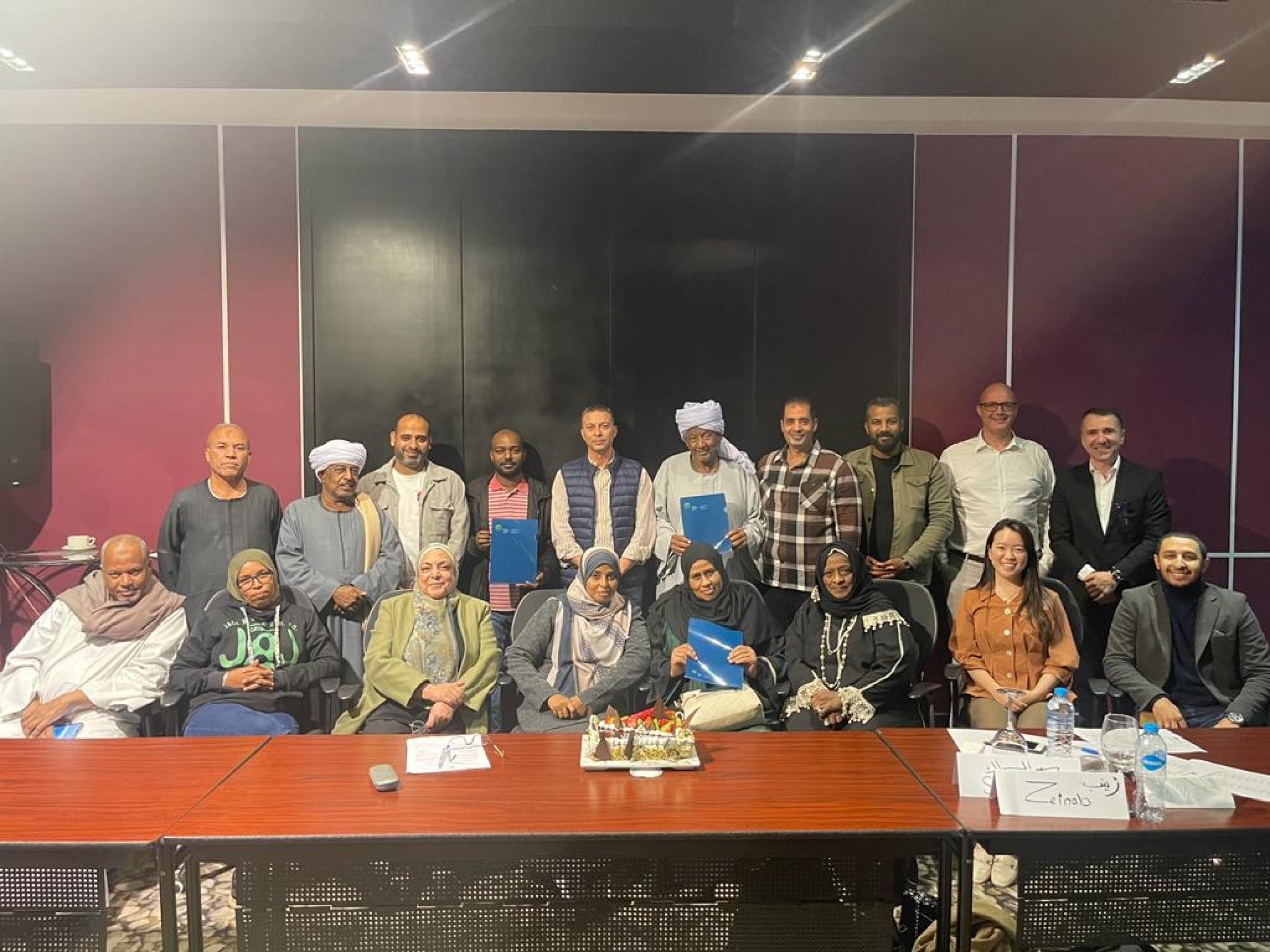
Following the signing of the agreement and during the monitoring phase, dialogue translated into concrete actions across four areas.
- Community consultation was strengthened through a reformed Community Advisory Participation body, providing a clearer framework for engagement.
- Livelihood support included vocational training for 48 trainees from Aswan, support for local handicraft production, and feasibility work on community priorities such as food storage, palm waste recycling, groundwater, and climate responsive housing.
- Education initiatives expanded opportunities through scholarships, improved school facilities, and projects focused on climate adaptation, literacy, and computer and language skills.
- Finally, healthcare and environmental outcomes included maintenance of a local hospital, health awareness caravans, and a waste collection system serving approximately 3,250 households.
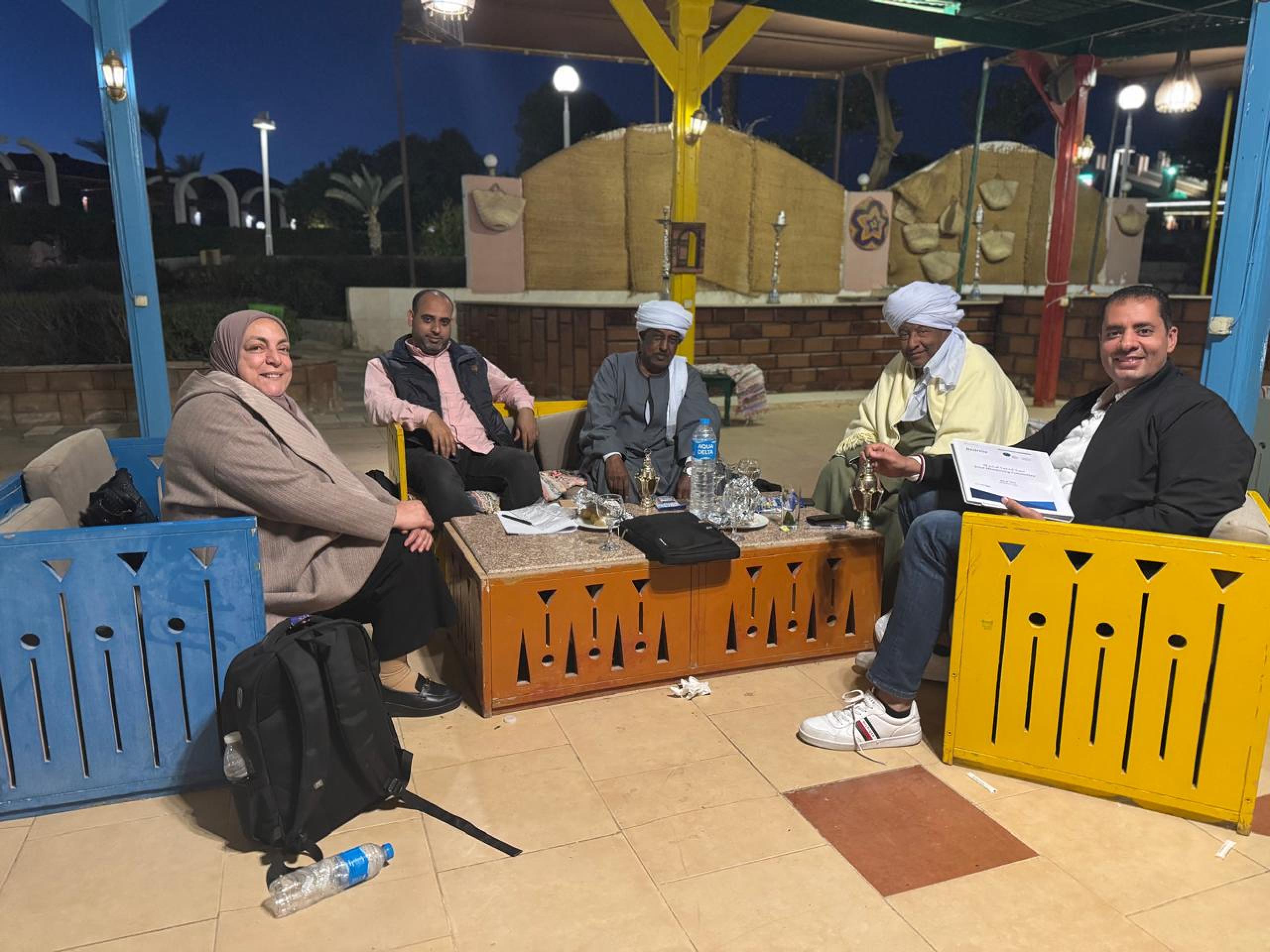
After two years of monitoring the agreement, the IRM closed the case.
Fruitful dialogue is not a given. It requires time, deliberate effort and a genuine willingness to engage. Throughout the problem solving process, the IRM provided a trusted, neutral space that enabled the parties to express their perspectives, feel heard and better understand one another. Initial hesitation to engage gave way to growing confidence through dialogue. That confidence enabled the parties to reach an agreement, generating momentum and optimism for more relevant community development initiatives in Benban and for a better relationship between BSDA and the community.
Ultimately, what began as a complaint became a sustained effort to listen, engage and work through difficult issues together. Over eight months of facilitated dialogue and two years of implementing the agreement, the parties moved from raising concerns to agreeing on and delivering concrete actions across issues that matter to the Benban Bahri community.
As the case closes, the most lasting outcome is perhaps the shift in how the parties engage. The IRM hopes that the parties’ confidence through this experience provides a foundation for continued engagement beyond this case. Dialogue is no longer out of reach; it is now a tool they can use in their day-to-day life.
For more information about the case, please visit the IRM’s case register: https://irm.greenclimate.fund/case/c0009-egypt.