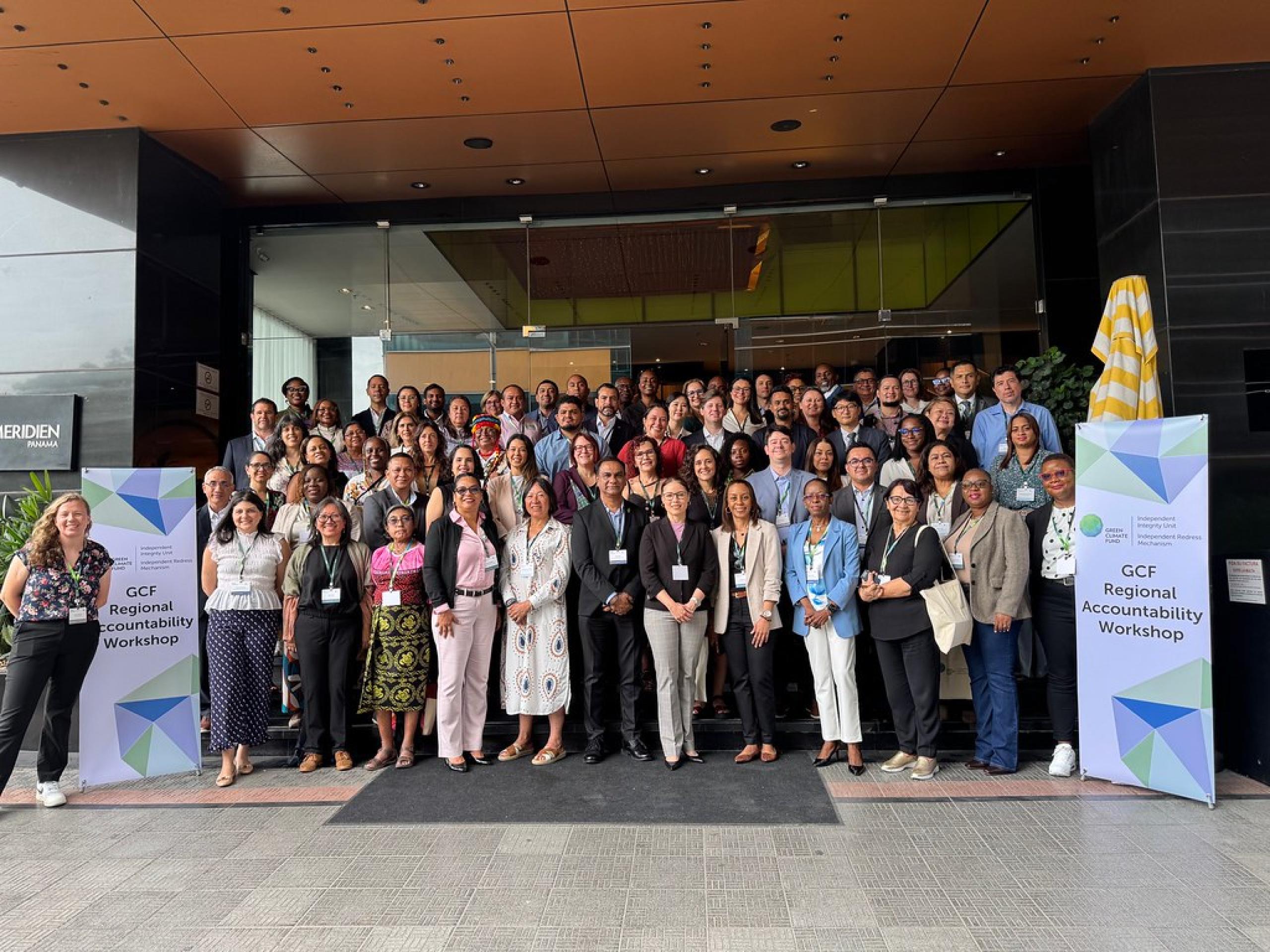
Strengthening accountability across Central America and the Caribbean: IRM/IIU host GCF Regional Accountability Workshop in Panama
The Green Climate Fund's (GCF) Independent Redress Mechanism (IRM) and Independent Integrity Unit (IIU) brought together Direct Access Entities (DAEs), civil society organisations (CSOs), and accountability practitioners from across Central America and the Caribbean for the 2026 Regional Accountability Workshop, held in Panama City from 15 to 17 September 2026.
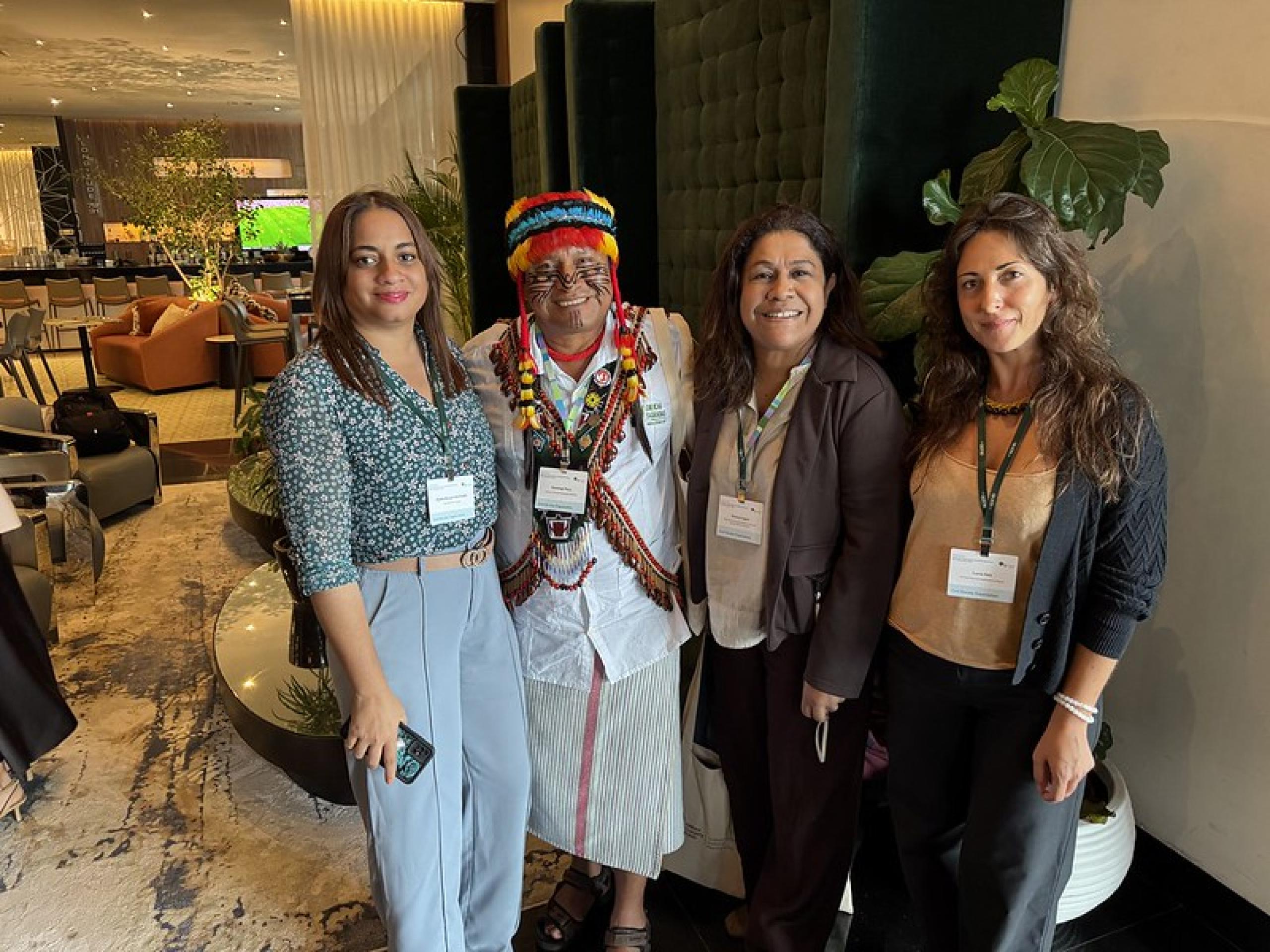
The three-day event welcomed over 45 participants from 15 countries and served as a platform for strengthening accountability, grievance redress, integrity systems, and stakeholder engagement in climate finance. Hosted for the first time in Central America and the Caribbean, the workshop marked the fourth consecutive year of regional accountability capacity-building initiatives organised by the IRM and IIU, following previous events in Rwanda, Morocco, and Vietnam.
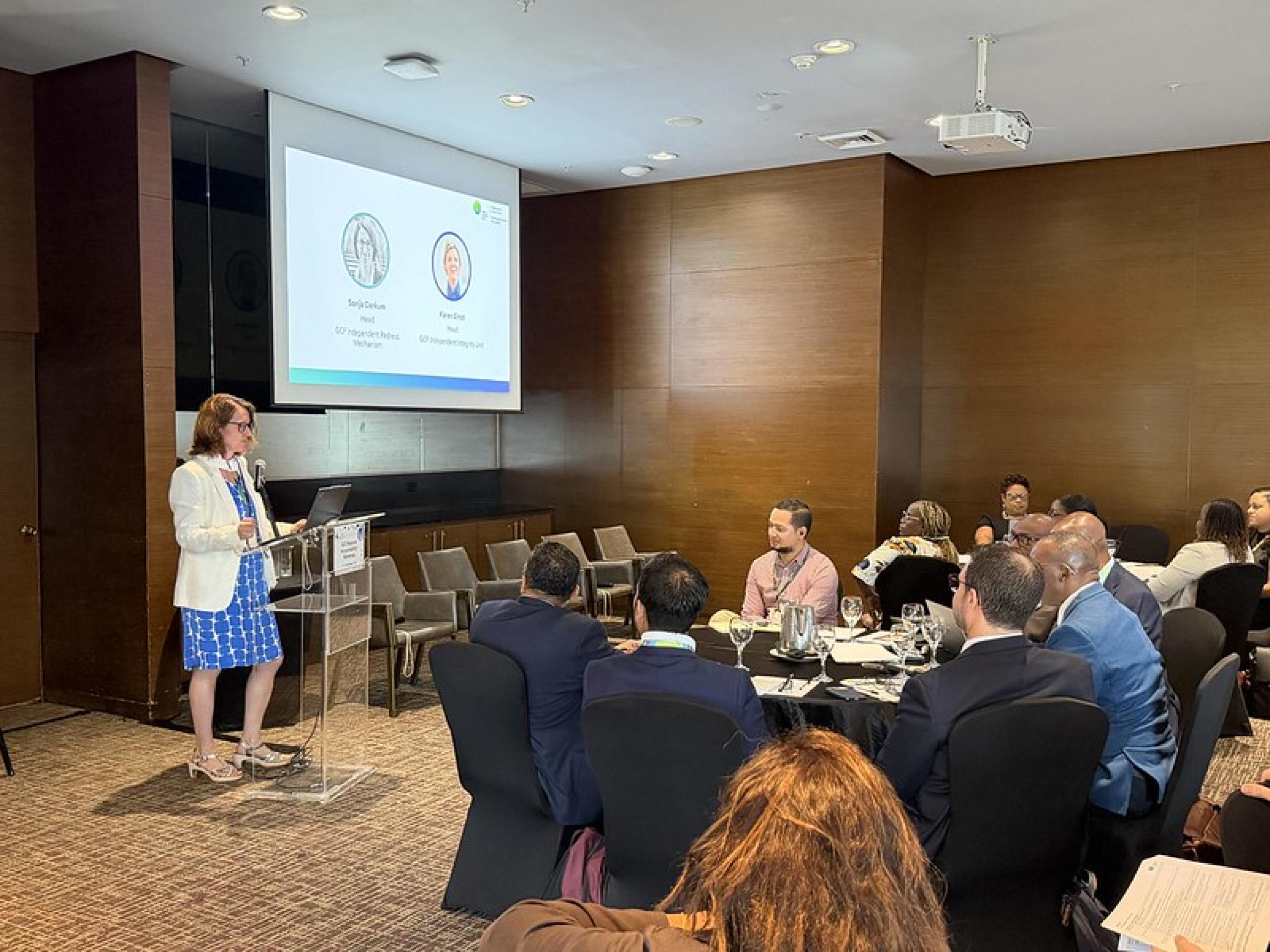
To welcome participants, Sonja Derkum, Head of the IRM, joined Karen Ernest, Head of the IIU and Javier Martínez, Head of the Mitigation Department at the Ministry of Environment of Panama to provide opening remarks. In her opening, Sonja emphasised the critical role that accountability mechanisms play in ensuring climate finance delivers meaningful and equitable outcomes. She noted that while GCF-funded projects aim to support climate adaptation and mitigation, projects can also create unintended impacts on communities, making accessible and effective grievance redress mechanisms an essential safeguard. Participants were encouraged to view complaints not only as challenges but also as opportunities for institutional learning and improved project performance.
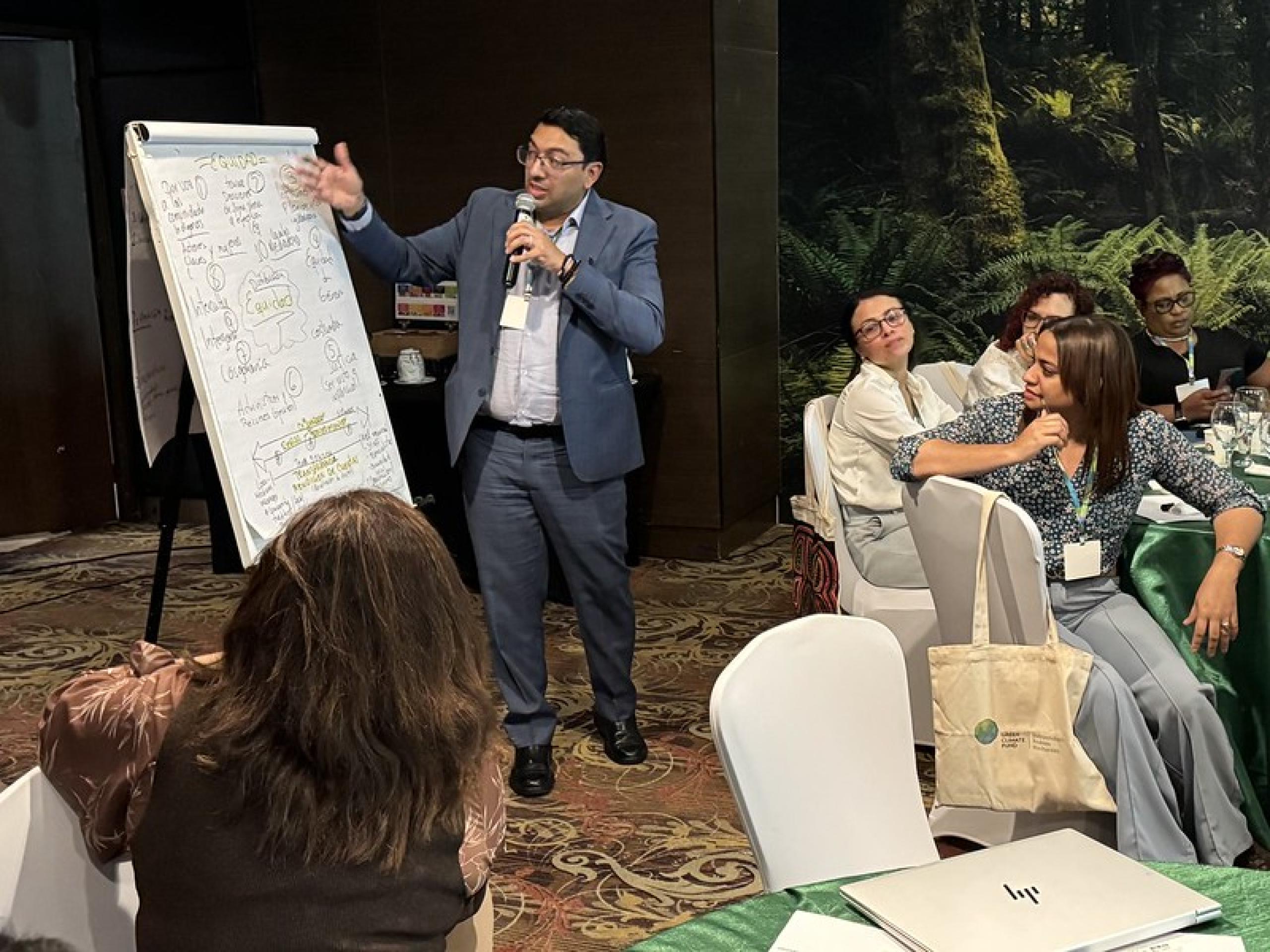
Throughout the workshop, participants followed specialised tracks led by the IRM and IIU. The IRM programme focused on the foundations of grievance redress mechanisms (GRMs), including their history, core principles, design considerations, case handling processes, outreach strategies, stakeholder engagement, and dispute resolution skills. Participants also explored practical approaches to managing complex grievances, conducting conflict mapping, and building effective systems for receiving and addressing complaints.
One of the highlights of the workshop was the series of interactive clinics held at the end of the second day, featuring the IRM board game and other engaging activities. These sessions provided participants with a practical and collaborative way to explore accountability concepts, exchange experiences, and deepen their understanding of grievance redress and integrity functions.
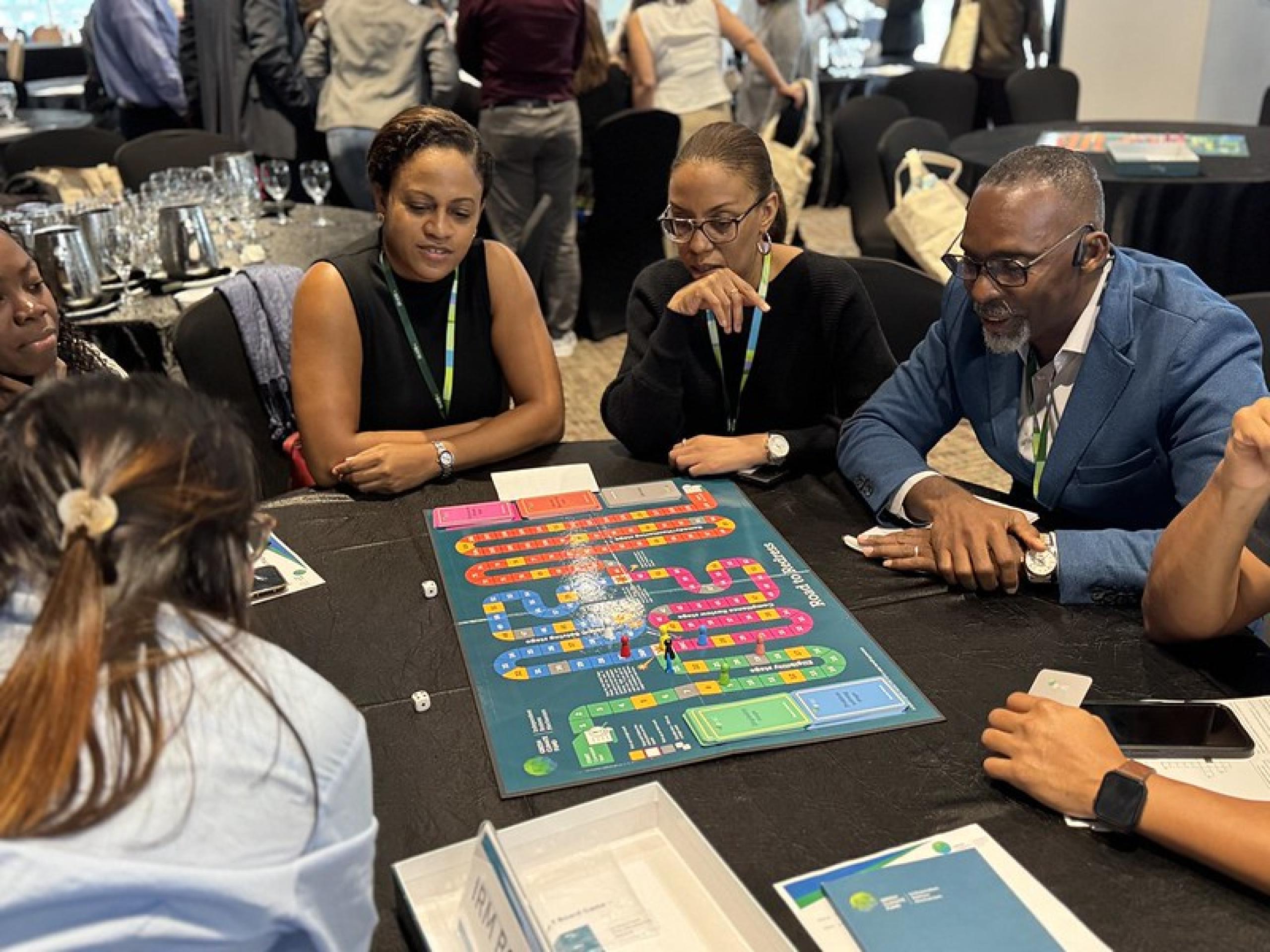
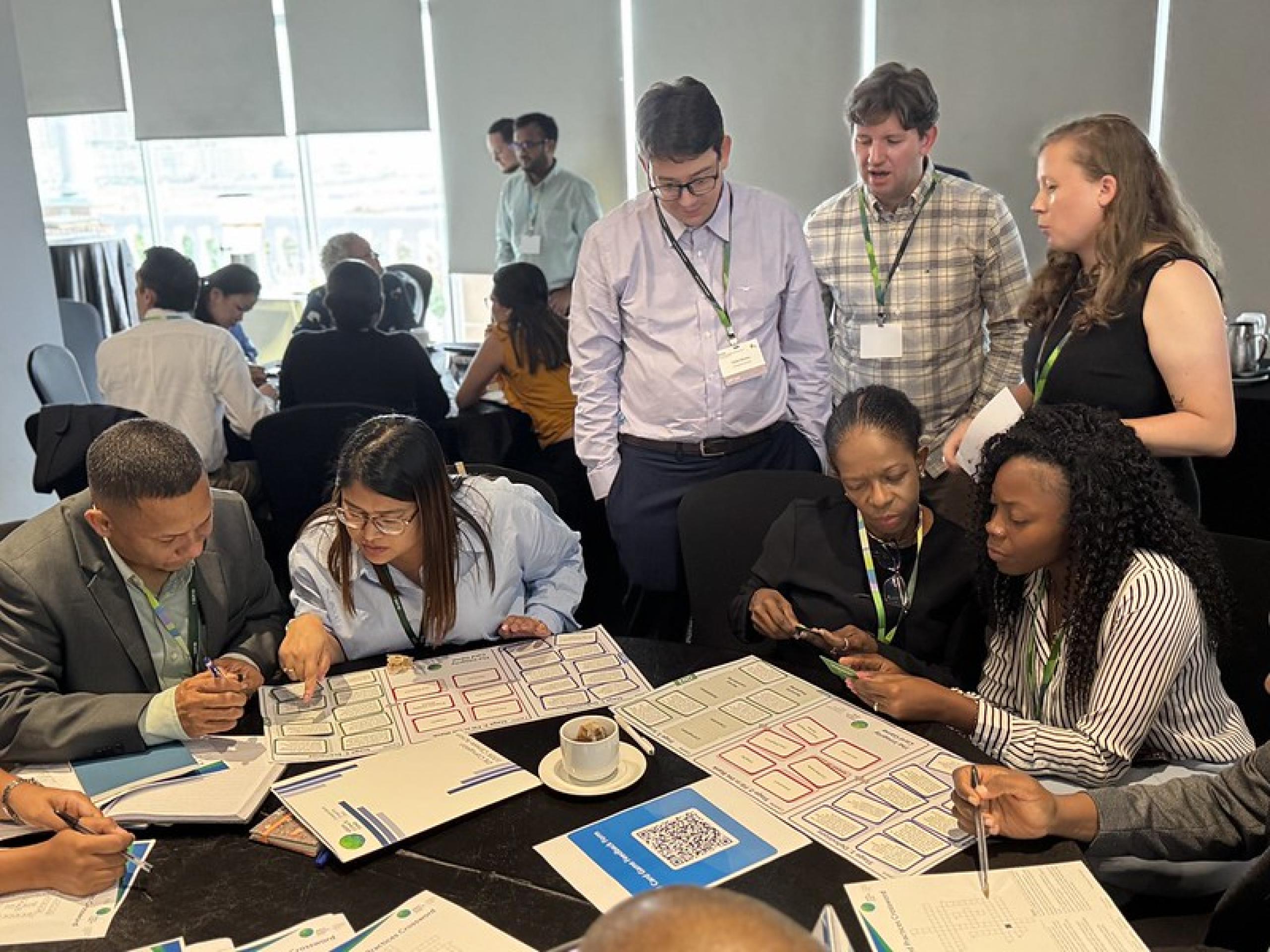
The workshop highlighted the important role that both DAEs and civil society organisations play in ensuring that project-affected people have access to effective avenues for raising concerns. Participants examined how grievance mechanisms can help identify and address issues early, strengthen stakeholder trust, and contribute to more inclusive and responsive project implementation. Civil society representatives also explored how they can support awareness raising and improve access to accountability mechanisms among affected communities.
The workshop strengthened collaboration among institutions working to enhance climate governance across Central America and the Caribbean. Participants shared lessons and good practices, reaffirming their commitment to accessible, transparent, and effective accountability mechanisms that support equitable and impactful climate action throughout the region.